Cookware & Tools
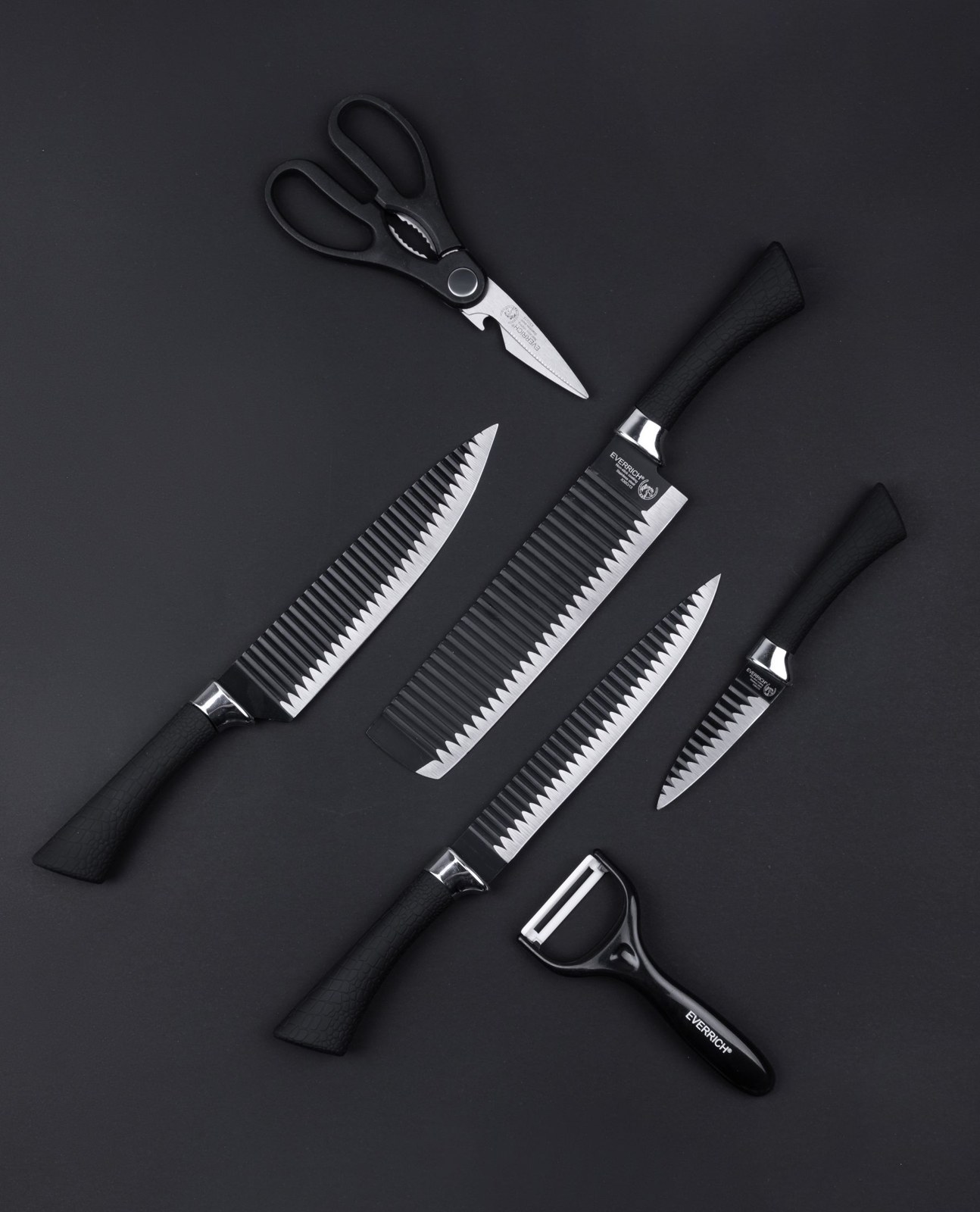
Kitchen shears or another knife
Kitchen shears can make some tasks easier, but their cleaning access and cutting purpose matter more than the number of features.
Explore the kitchen
Choose pots, pans and everyday utensils around the meals you make.
Kitchen shears can make some tasks easier, but their cleaning access and cutting purpose matter more than the number of features.
The best shape is the one that drains securely, leaves room in the sink and stores without taking over a shelf.
A fine-mesh strainer earns its place when small ingredients or a smoother liquid need more control than a colander provides.
A small collection of bowls should cover mixing, tossing and holding ingredients without becoming difficult to lift or store.
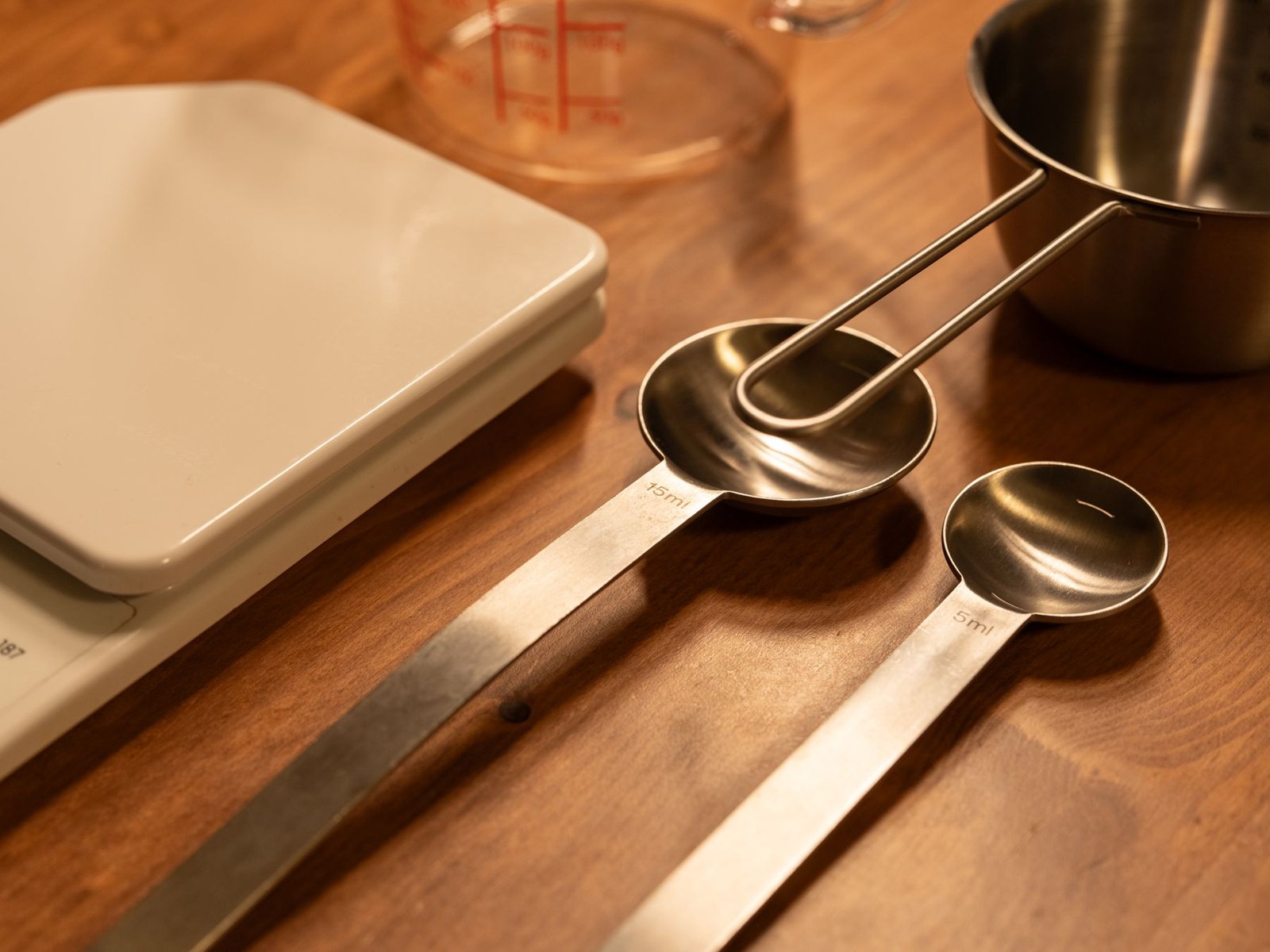
Use weight when the recipe gives weight, and keep volume measures for the jobs where they make sense.
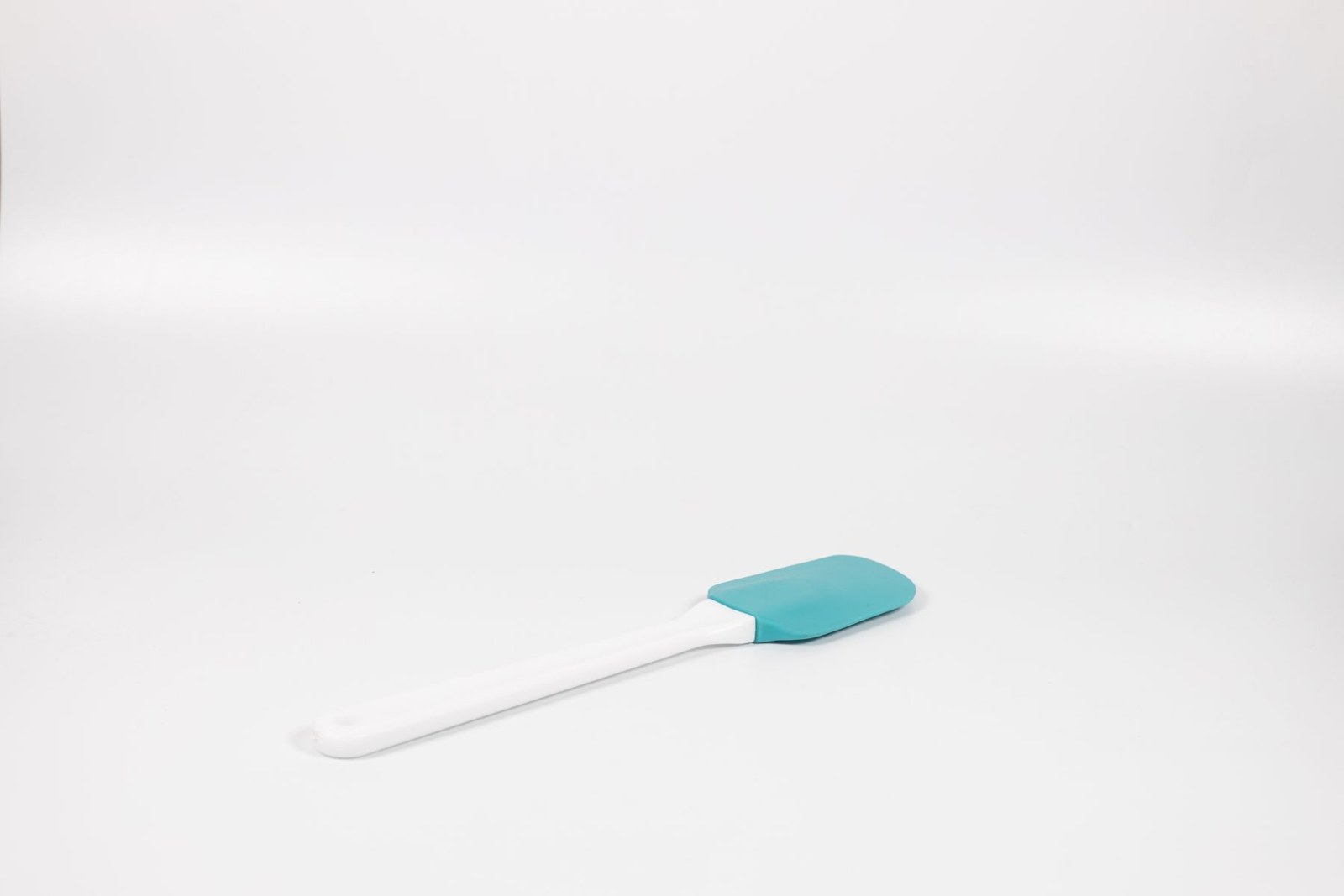
The shape of the head determines whether a spatula reaches a jar, folds a mixture or scrapes the bottom of a pan.
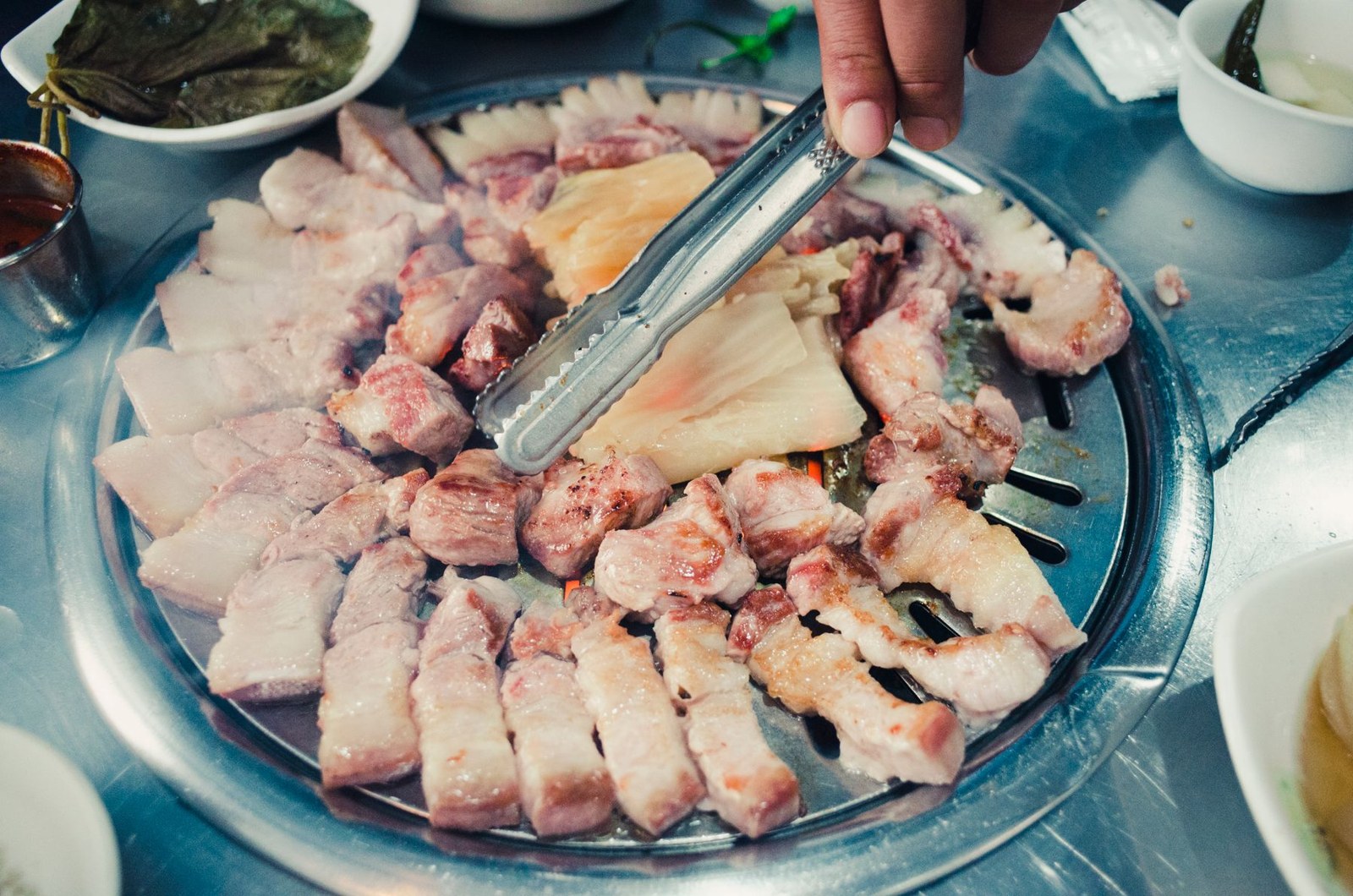
Good tongs should let you pick up the food you cook without tiring your hand or damaging the pan beneath it.
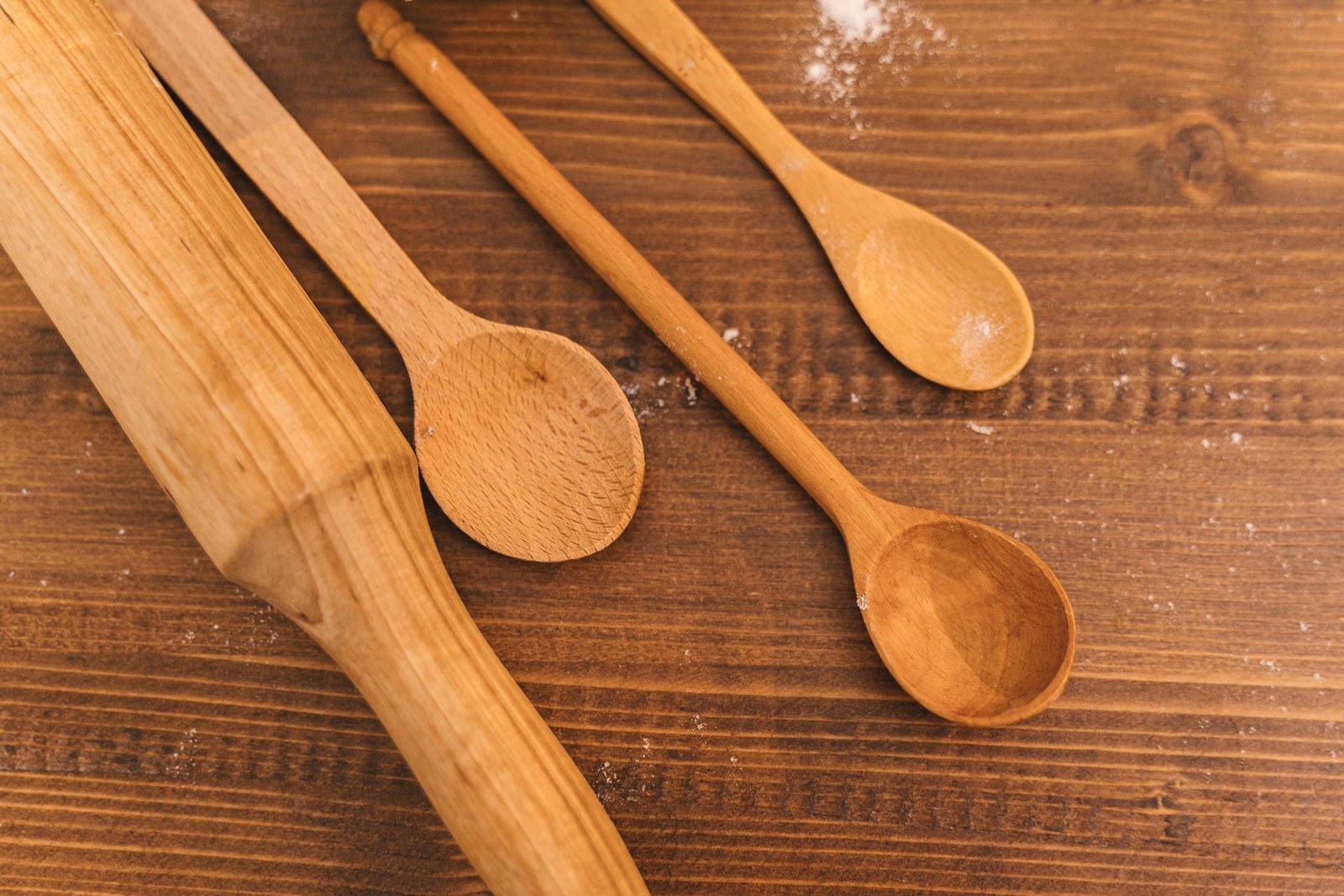
Compare the edge, handle and care routine rather than treating either material as the answer to every stirring job.
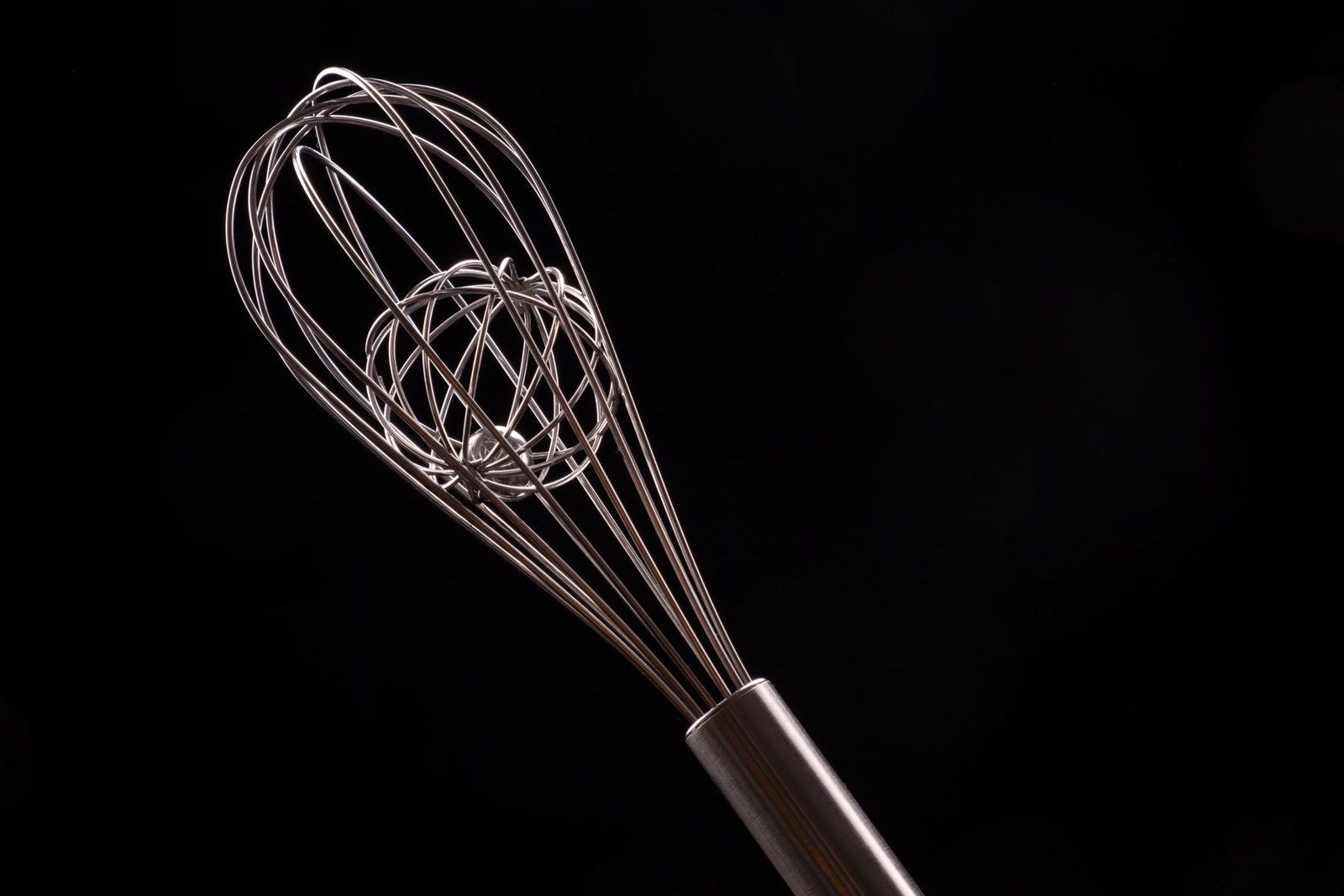
A whisk should move freely in the bowls and pans you own, with wires you can clean without a struggle.
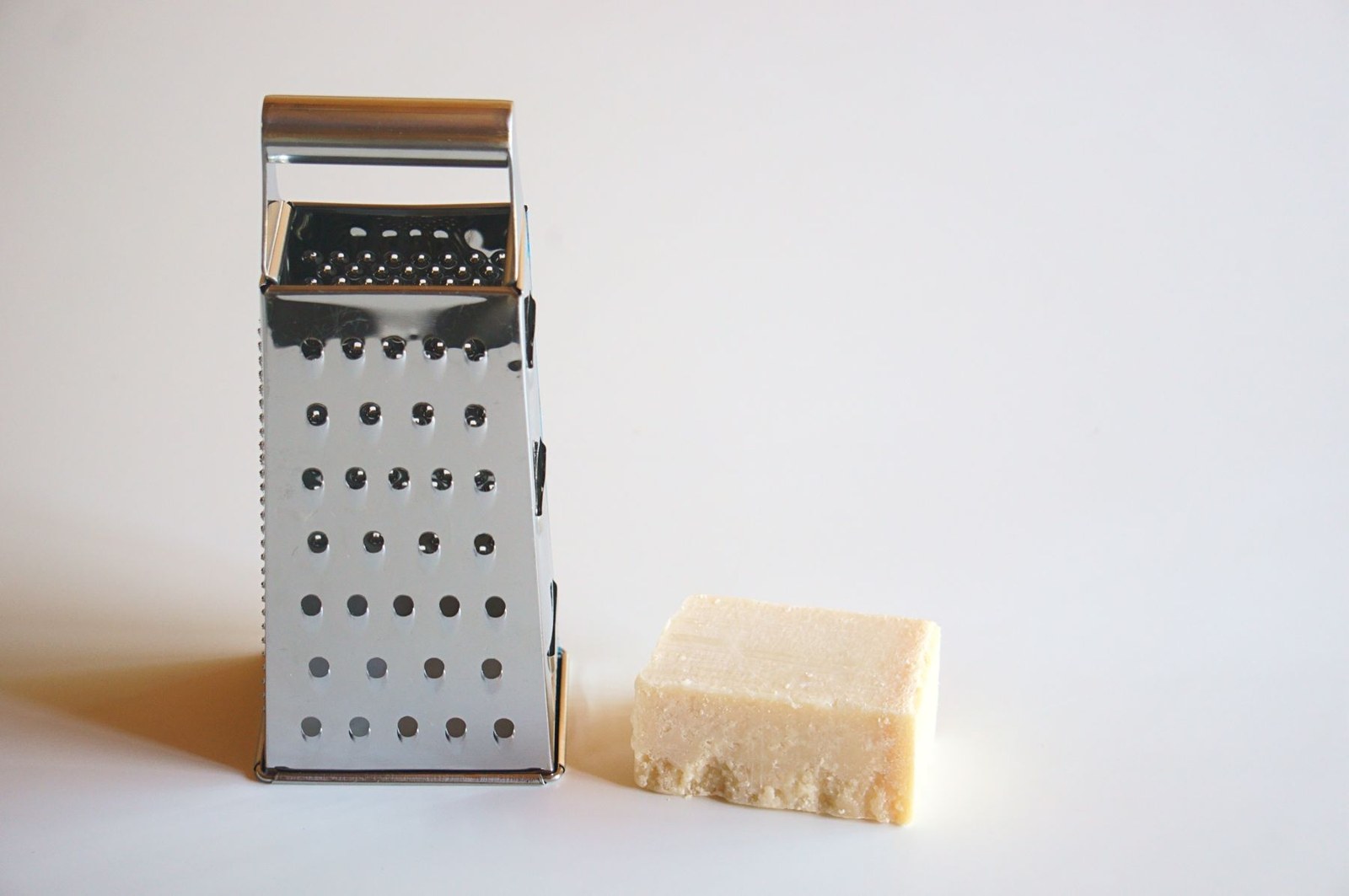
Choose the grating surfaces you will use, then check stability, hand clearance and how the food comes out.
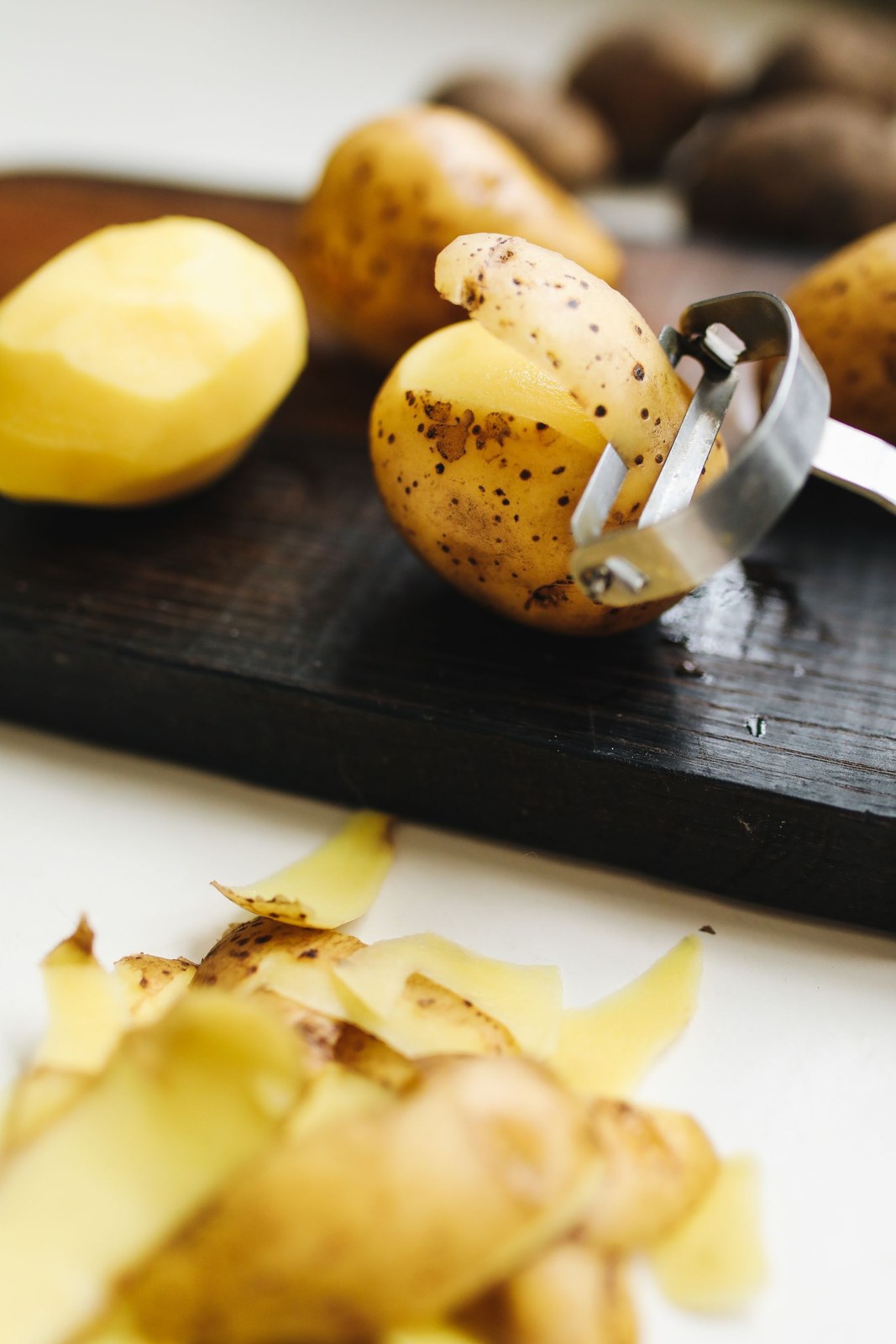
Choose a handle and blade orientation that feel controlled with the vegetables you prepare most often.
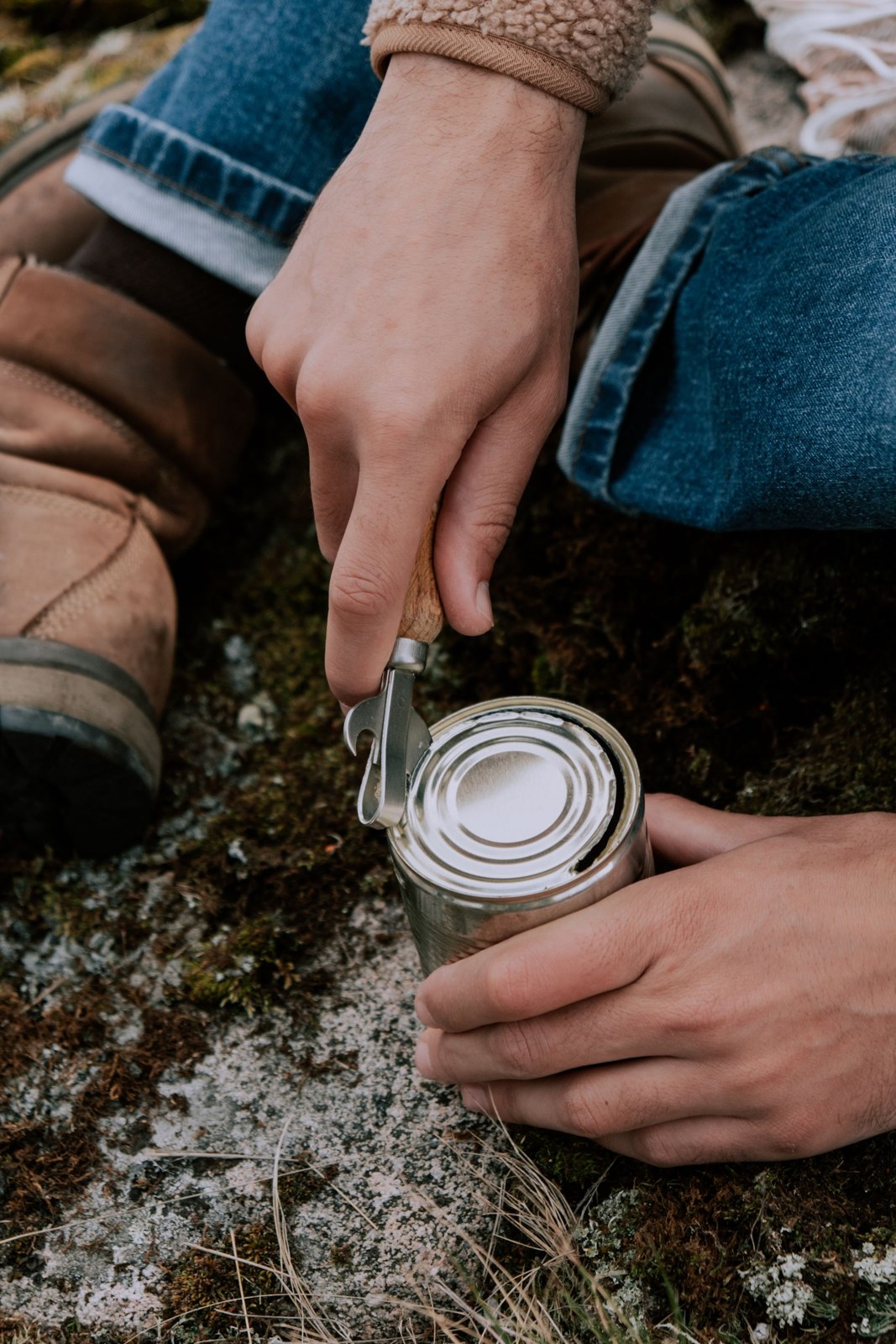
The opening action, handle effort and cleanup deserve more attention than a long list of built-in extras.