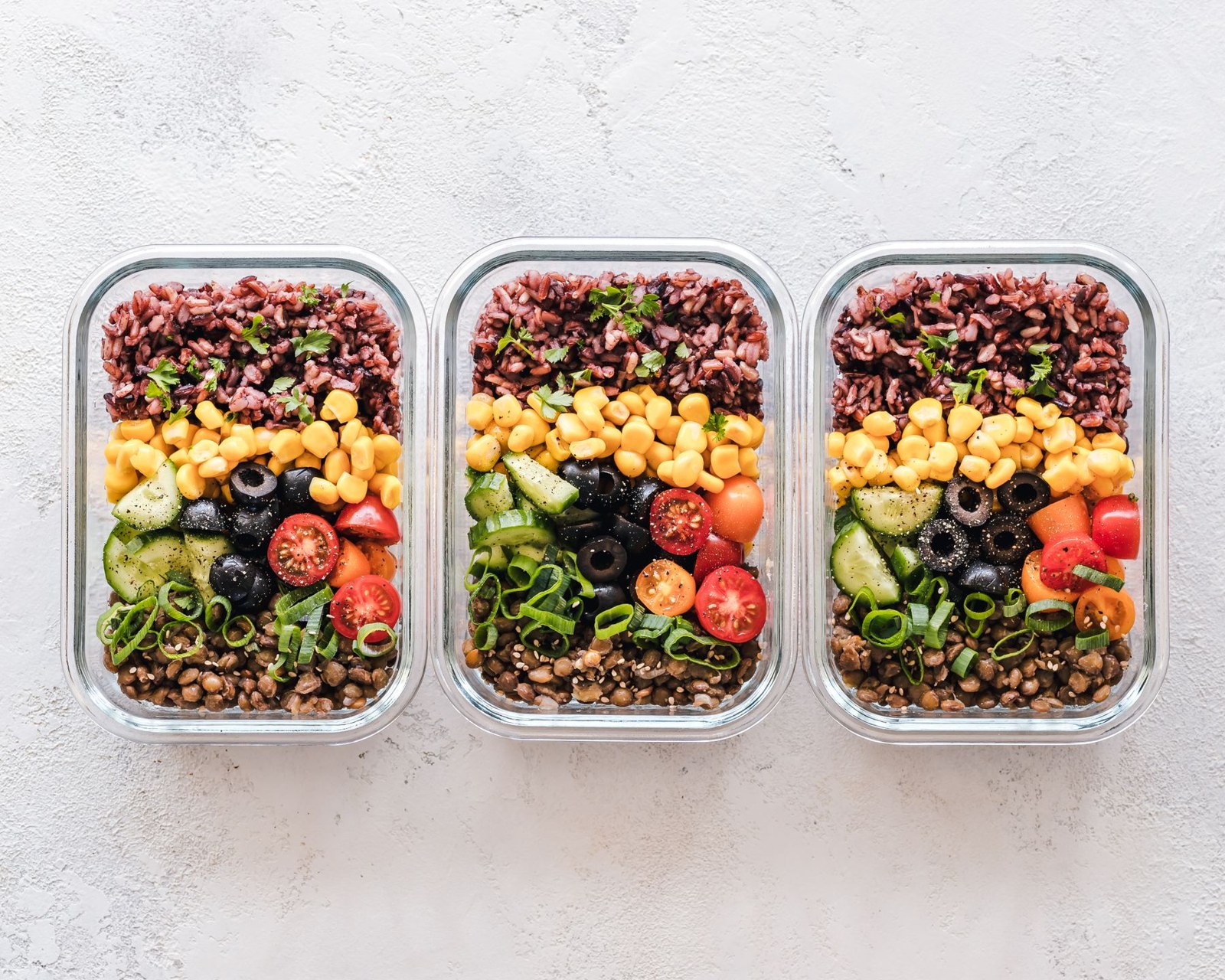
Food expands as it freezes, especially when it contains a lot of liquid. A container filled to the rim can leak, distort or break. Before freezing soup, sauce or beans, check both the container's freezer suitability and the manufacturer's instructions for leaving headspace.
There is no single headspace measurement that fits every food, container shape and freezing method. Use the guidance for the particular product and food rather than guessing that a barely closed lid will be enough. Glass containers require particular attention to their approved uses and temperature-change restrictions.
Choose a useful portion
Freeze the amount you are likely to use at one time. A large solid block of sauce may be economical in packaging but inconvenient when you need only one serving. Smaller portions can also be easier to arrange without crowding the freezer.
Cool and store cooked food safely before or during the freezing process. Divide large quantities into shallow containers and refrigerate promptly; do not leave a pot on the counter until it reaches room temperature. Follow safe handling guidance and avoid overwhelming the refrigerator or freezer with a large mass of hot food.
Label each container with the contents and date. Add a portion note if the amount is not obvious. Similar-looking frozen foods become much easier to use when you can distinguish lentil soup from tomato sauce without thawing either one.
Check the lid's freezer suitability as well as the base. Some closures become difficult to handle when cold. Let the container be used and opened according to its instructions rather than forcing a brittle lid or prying with a sharp tool.
Plan how the food comes out
A freezer-safe label does not mean a container can go straight into a hot oven or microwave. Follow separate reheating instructions and any required thawing method. Avoid sudden temperature changes for glassware unless the manufacturer expressly permits the exact transition.
Store containers where the door can close properly and cold air can circulate. Keep an inventory if portions are beginning to disappear behind larger packages.
The goal is not to fit the greatest possible volume into every box. It is to freeze food in sound containers, keep it identifiable and make it straightforward to use safely later.