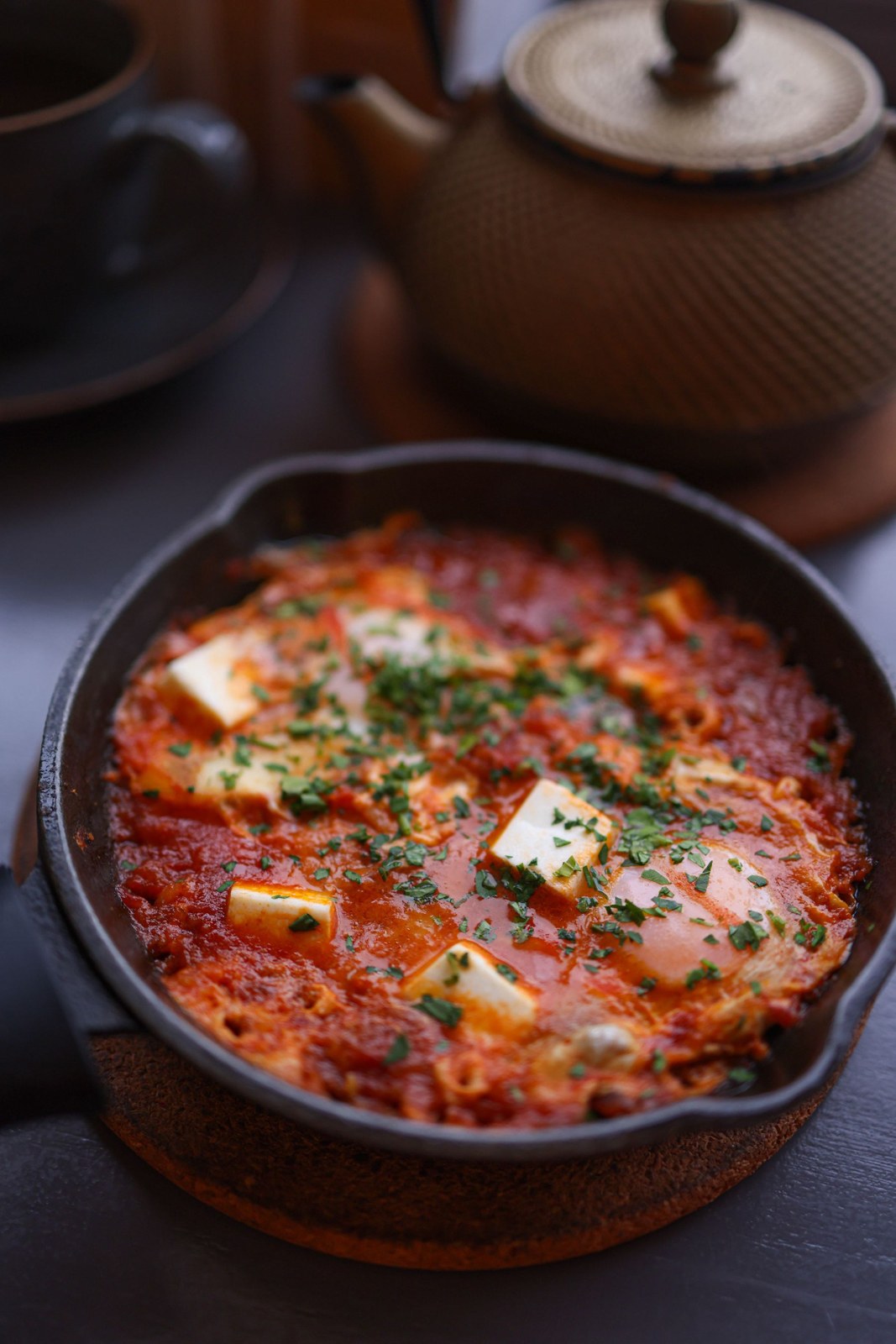
A cast-iron skillet can be a satisfying tool, but it is not an automatic upgrade for every small kitchen. Before considering recipes or appearances, pick one up if you can. The empty pan may already be heavy; lifting it with food inside, washing it and putting it away all belong in the purchase decision.
The handle is another practical detail. A short integral handle helps the pan fit in some ovens, yet it may provide less leverage than a longer handle. A second grip can help with lifting. You still need suitable dry protection when either handle is hot.
Match the surface to the care instructions
Bare seasoned cast iron and enameled cast iron are different products. Bare iron relies on a maintained seasoned surface; enamel has its own rules about utensils, heating and cleaning. Do not follow a bare-iron restoration tutorial on an enameled pan.
For ordinary seasoned cast iron, Lodge's guidance permits a little dish soap, followed by drying and a light layer of oil. That is different from leaving the pan soaking in the sink. Read the instructions for the cookware you buy, and consider whether you have a reliable place to dry and store it after each use.
A shared kitchen adds another question: will everyone know how to handle the pan? If roommates routinely leave cookware submerged overnight, agree on storage and cleaning before making it communal. A pan that suits one person's routine may be inconvenient as shared equipment.
Consider the stove and the food
Check the stove's instructions, including cookware weight and how to place or move it. Lift rather than drag where the surface needs protection. The pan's base should suit the burner; buying a very wide skillet does not guarantee even results on a small cooking zone.
Cast iron can work well for meals where a substantial pan is useful, but it is not the only route to browning or oven cooking. Your exact pan's oven permissions and any lid limits still matter. A skillet that fits the oven only at an awkward angle may be less useful than it appears.
If you are curious but uncertain, begin with a size you can comfortably manage rather than the largest discounted option. The value comes from repeated use and manageable care. If those conditions are missing, a lighter pan may be the better first purchase.