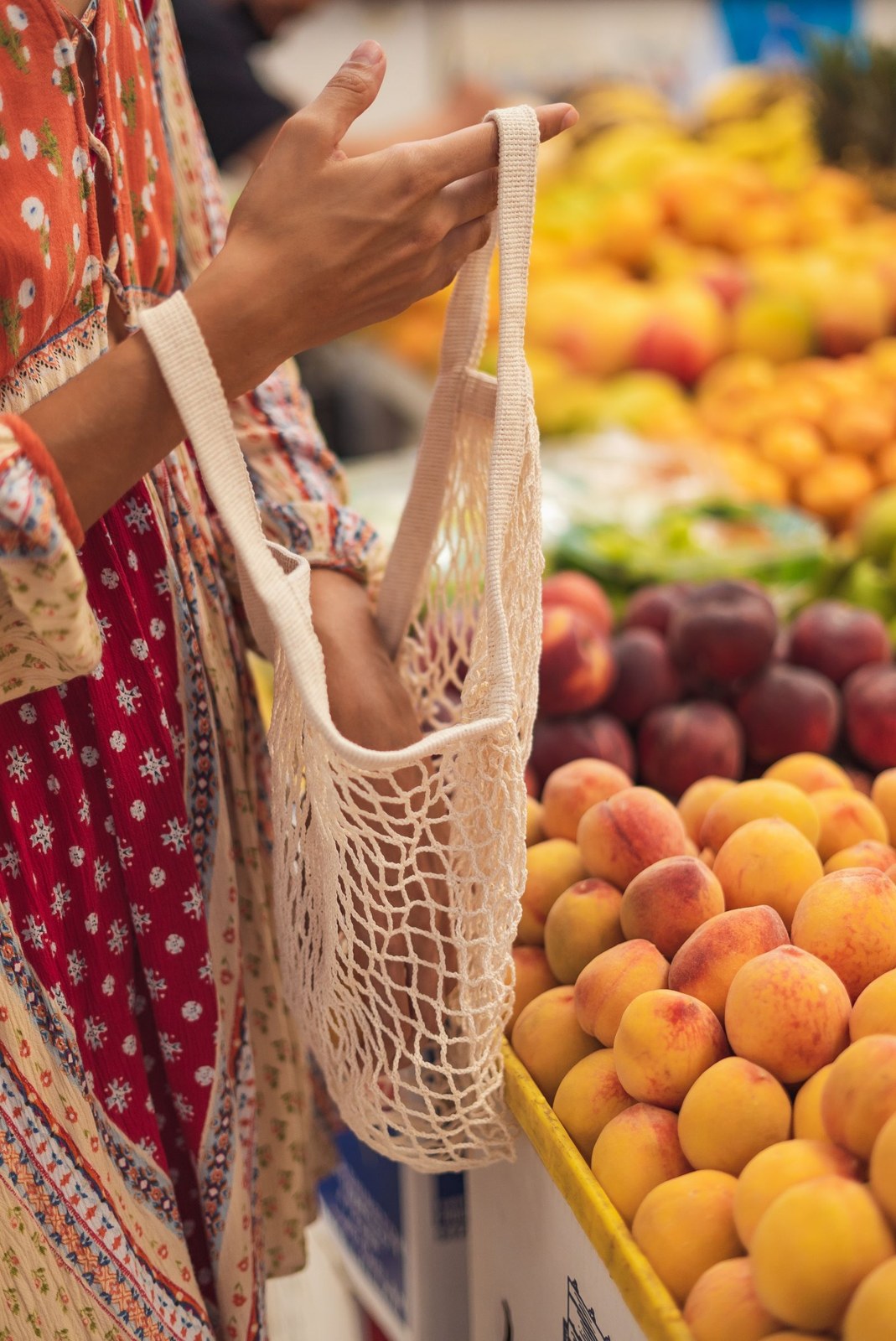
Shopping without a car changes what a manageable grocery trip looks like. A large multipack may be inexpensive per item but difficult to carry on a bus or uphill. Build the list around the journey home, including the time perishable food will spend outside refrigeration.
Separate heavy staples from delicate foods on the list. Cans, drinks and large bags of grains quickly add weight, while fruit and bread need protection from crushing. A backpack, sturdy reusable bags or a suitable shopping trolley can help, but stay within what you can carry comfortably and safely.
Plan a realistic load
A smaller regular trip may work better than buying a week's food at once. Consider which shop is on an existing route and whether you can buy heavy items separately. Avoid letting a promotion turn a manageable bag into a load that is difficult to lift onto public transport.
Compare delivery options if available, including fees, minimum orders and substitutions. Delivery is not automatically cheaper or more convenient, but it can be useful for bulky staples. Keep the comparison based on the full order cost rather than a headline offer.
For chilled and frozen food, use an appropriate insulated arrangement and keep the journey as short as practical. Shop for perishables toward the end of the trip and put them away promptly at home. Do not plan several unrelated errands after buying food that needs temperature control.
Arrange the bag so heavy items sit securely and do not press on fragile packages. Keep raw animal foods contained separately as appropriate to prevent leaks onto ready-to-eat items. A reusable bag that has carried a spill needs cleaning before its next use.
Let the route shape the meals
Choose ingredients that serve more than one meal without requiring excessive weight. A few versatile staples and a manageable amount of produce may be easier than several large bottles and specialized packages.
Check the weather and transport schedule when the journey is exposed or lengthy. If the trip cannot support safe transport of a particular food, choose another option or another day.
After returning, note what was awkward to carry. That information can improve the next list more than another bag purchase. The best grocery plan is one that gets the food home safely and leaves you with enough energy to cook it.