The first kitchen shopping trip can become expensive when every aisle seems to contain an essential. Start with three meals you already know how to make or want to learn. Write down the equipment those meals require, then check what the apartment already provides.
Ask roommates which items are shared and which belong to someone who may move out soon. A cupboard full of cookware is not necessarily a shared kitchen kit. Inspect the condition of anything available before relying on it, particularly electrical appliances and damaged food-contact surfaces.
The first cooking session
For many simple meals, a suitable saucepan, a frying pan, a stable cutting board, a useful knife and a few utensils provide a workable start. Add a can opener if your ingredients require one, and a colander or another safe draining method if you regularly cook pasta. Choose sizes that fit the stove and sink.
You also need a way to serve, store and clean up. Plates or bowls, basic cutlery, food-storage containers and washing-up supplies are easy to overlook when comparing pans. A food thermometer is useful for checking safe cooking and reheating temperatures, and an appliance thermometer can help verify the refrigerator.
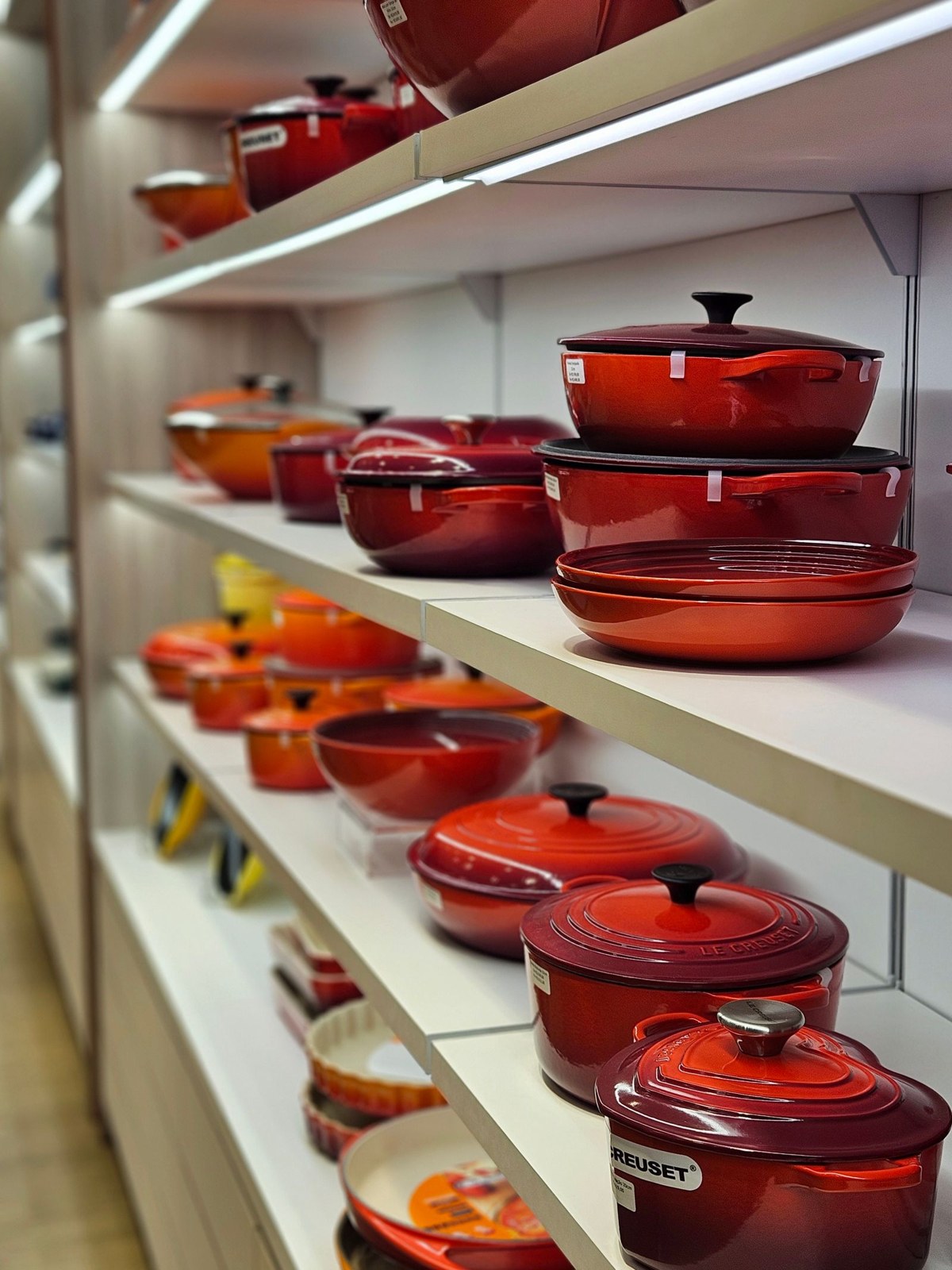
Do not buy a full set simply because its price per item looks low. Several pans you never use still occupy cupboard space. A lid that fits a frequently used pan may be more valuable than another specialist pot.
A useful first-month review
After several meals, make two short notes: what interrupted cooking and what stayed unused. An interruption might be a missing lid, a cutting board that slides or a pot too small for the amount you cook. An unused purchase might be a specialist utensil that seemed essential in a demonstration.
Solve the recurring interruption first. That may mean a modest replacement or a different storage position, not necessarily another appliance. If you keep buying ingredients for recipes that need equipment you do not have, choose whether that style of cooking genuinely belongs in your routine before expanding the kit.
Keep the same approach when friends offer spare equipment. A free item still needs safe condition, appropriate instructions and space. Accepting everything available can make the kitchen harder to use even when the purchase budget remains untouched.
Purchases that can wait
Let small appliances answer a recurring need. If you make rice several times a week, a rice cooker may deserve consideration. If you have not yet cooked in the kitchen, it is difficult to know whether another machine will save effort or merely use the only clear counter.
Check dimensions, electrical suitability and building rules before ordering appliances. Keep receipts and packaging until you have inspected the items and understood the return terms.
Leave part of the budget unspent for the first few weeks. A missing measuring jug or awkward storage box often becomes obvious only after ordinary meals.
Your initial list should make dinner possible and washing up manageable. It can grow with your cooking, without needing to resemble a fully equipped demonstration kitchen on moving day.