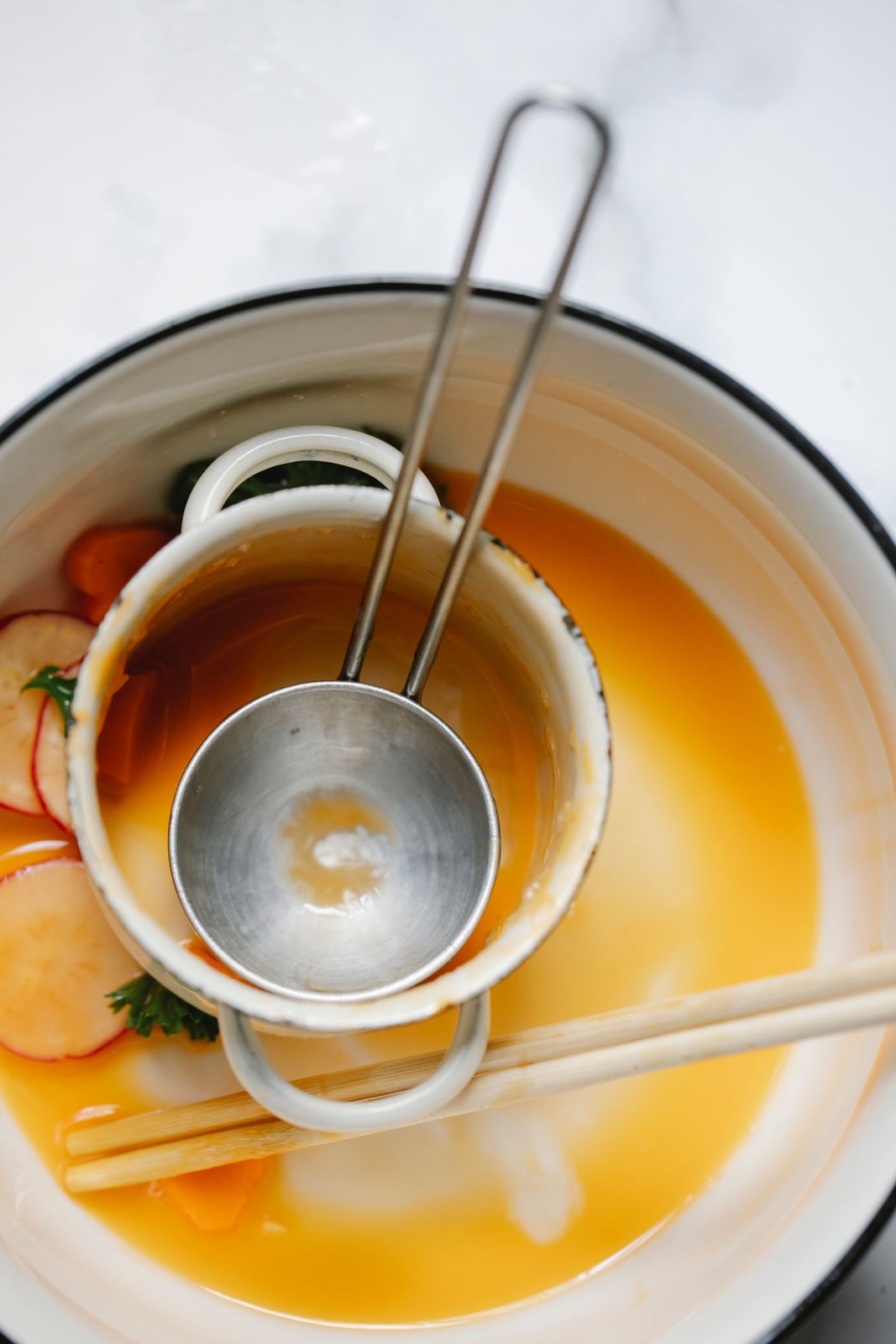
When food keeps being wasted, buying more containers can feel like a solution. Sometimes a suitable box helps, but the underlying problem may be quantity, visibility or changing plans. Look at what is being discarded before deciding what equipment is missing.
If fresh produce regularly goes unused, buy a smaller amount or choose a frozen form suited to your meals. If cooked portions are forgotten, label them and keep them visible. If ingredients are bought twice, check the cupboard before shopping. Each problem calls for a different adjustment.
Use the containers you have well
Match lids and bases, remove damaged pieces and choose an appropriate size for the food. A huge box holding a small portion can hide it behind other items. A clear label with contents and date is often more helpful than a new matching set.
Store food according to its actual needs. The refrigerator should be at 40°F or below, and perishable food needs prompt refrigeration. Cooked leftovers generally have a three-to-four-day refrigerated window when safely handled; freeze suitable portions sooner if they will be used later.
Do not use taste or smell as the only test when storage history is uncertain. Avoiding waste should not lead to eating food that may be unsafe. The better opportunity is changing the earlier purchase, preparation or storage decision next time.
Plan one meal around food already open before buying ingredients for several new recipes. Keep the combination simple so that using an ingredient does not require buying three more short-lived products.
Learn from repeated waste
Notice patterns for a couple of weeks. You do not need to weigh every scrap. A note such as “half the salad bag again” can be enough to change the next purchase. Smaller packs, different forms or a more realistic cooking plan may reduce the problem.
Freeze appropriate food while it is still in good condition and within safe handling limits, not at the moment you suspect it is no longer usable. Label the portions and include them in meal planning so the freezer does not become another hiding place.
Buy a new container only when you can name the storage gap it will solve. Often, the most useful improvement is less food entering the kitchen without a plan and more attention to what is already there.