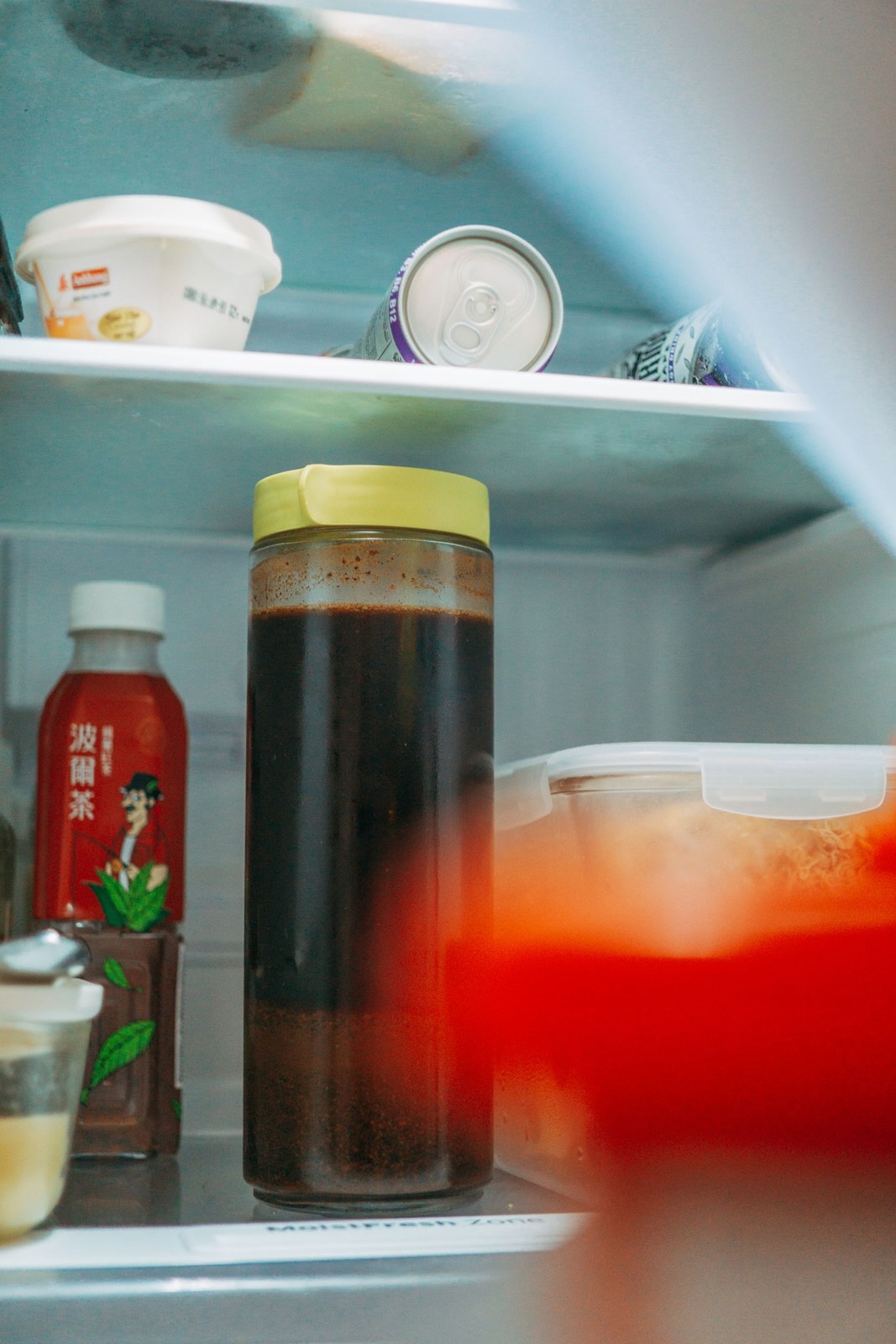
An open jar or half-used vegetable is easy to overlook when planning meals from scratch. Begin by looking through the refrigerator and pantry for foods that are already in use. Note their storage instructions, opening dates where known and whether they remain suitable to eat.
Do not make “use it up” a reason to ignore safety. An ingredient with uncertain handling, spoilage or an exceeded safe storage period should not become dinner simply because you dislike waste. Cooking does not reliably repair every problem caused by poor storage.
Choose one ingredient to lead
Pick a food that needs attention soon and build a simple meal around it. Open canned beans might become a skillet meal, while a small amount of suitable tomato sauce can support pasta or soup. Add foods you already have rather than buying several new perishables to rescue one old ingredient.
Check quantities before choosing the recipe. A spoonful of sauce may work as part of a dressing or cooking base but not as the main component of a large dish. Adjust the meal to what is available without stretching it into something unsatisfying.
Keep flavor combinations straightforward. Not every leftover belongs in the same pan. It can be better to serve two small components alongside one another than to combine ingredients that do not work well together.
Label cooked leftovers and plan their use. USDA guidance generally allows three to four days in the refrigerator when food has been handled safely. Freeze suitable portions earlier when they are intended for later meals. Reheating or transferring to a new container does not erase the previous storage history.
Shop for the missing link
Once you know the meal, buy only the ingredient needed to complete it, along with other genuine household needs. A small list shaped by existing food can reduce duplicate purchases.
After cooking, review what remains open. If the same large package repeatedly creates leftovers you cannot finish, choose a smaller size next time even if its unit price is higher.
This approach does not require a complicated inventory. A quick check before shopping or cooking is enough to make existing food visible. The goal is to use suitable ingredients while they are useful, not to postpone throwing away food that should no longer be eaten.