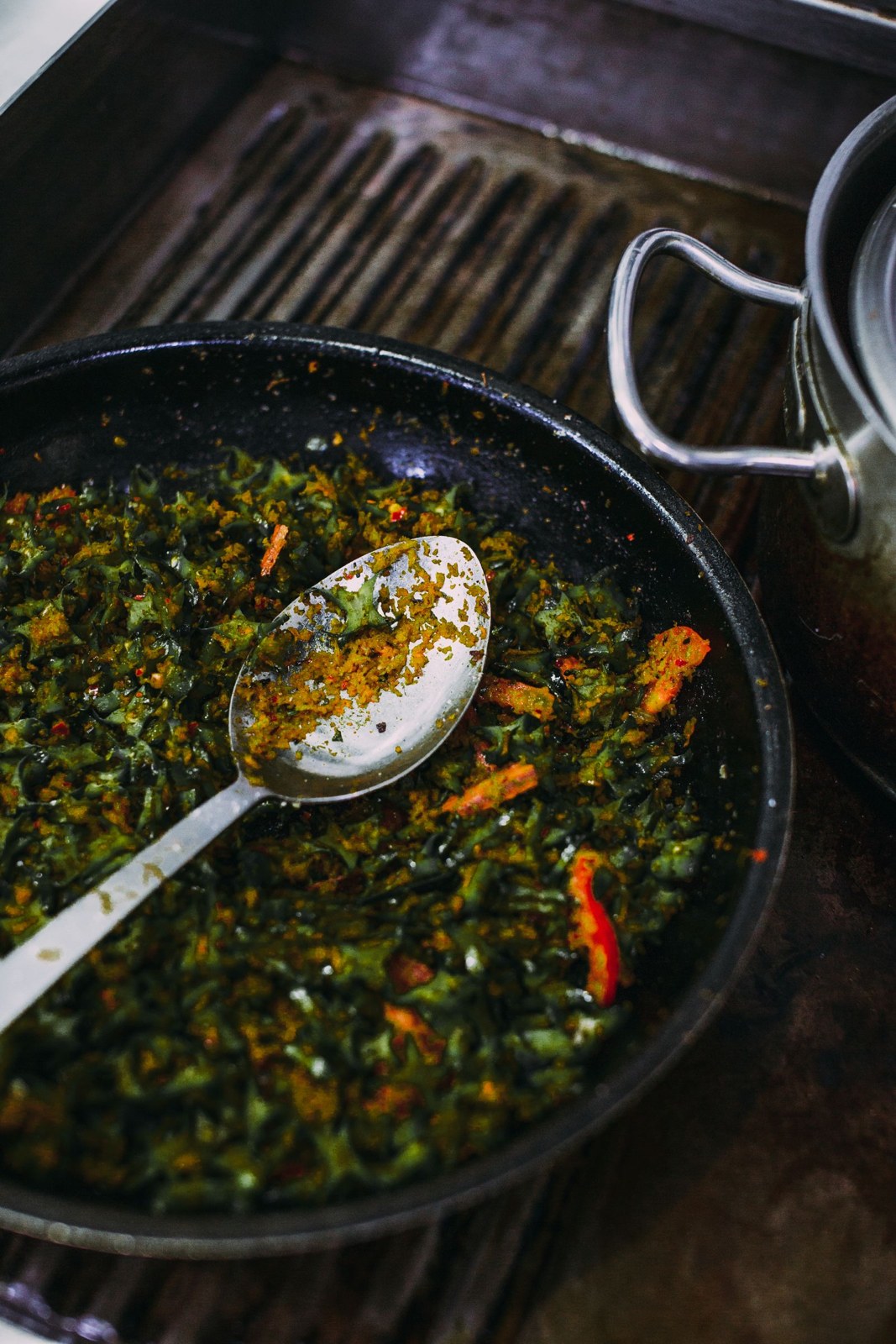
When a pan is filled with a thick pile of vegetables, the food often steams before it browns. Ingredients release moisture as they heat, and a crowded surface may not let that moisture escape quickly. Cooking in batches can produce a different result without requiring a larger stove setting.
Begin with the result you want. Steaming and softening can be useful for a soup base or a covered vegetable dish. Browning is more likely to need direct contact and some space around the food. Crowding is a problem only in relation to the intended method.
Divide before you start
Cut ingredients into suitable pieces and estimate how much can sit in a workable layer. Put the rest in a separate bowl so you are not tempted to add it all at once. Keep raw animal ingredients and ready-to-eat foods separated appropriately during preparation.
Heat the pan using its instructions and the recipe's method. Add the first batch and let it cook without constant stirring if browning requires contact. Adjust heat according to what happens; a very high setting can burn edges while the centers remain undercooked.
Transfer a completed batch to an appropriate clean dish. For foods with safety requirements, make sure the overall cooking and holding process is safe and verify the required internal temperature. Do not treat a browned surface as evidence that the center is cooked.
Before the next batch, check the pan. You may need to adjust the heat or add a little more fat according to the recipe. If residue is burning, address it safely rather than allowing each successive batch to pick up a bitter flavor.
Bring the meal together
Once the batches are cooked, combine them briefly with any sauce or seasoning if the recipe calls for it. This final combination is different from trying to brown everything simultaneously in a full pan.
Batch cooking takes a little more active time, so include it in the meal plan. If you regularly need many batches for ordinary portions, a larger suitable pan may help, provided it fits the burner and remains easy to handle. A large base that extends far beyond the effective heat area is not automatically an improvement.
For a quick meal where browning is not essential, choose a method that welcomes moisture instead. The useful skill is recognizing whether you want a dry cooking surface or a covered, steaming environment, then arranging the pan to support that choice.