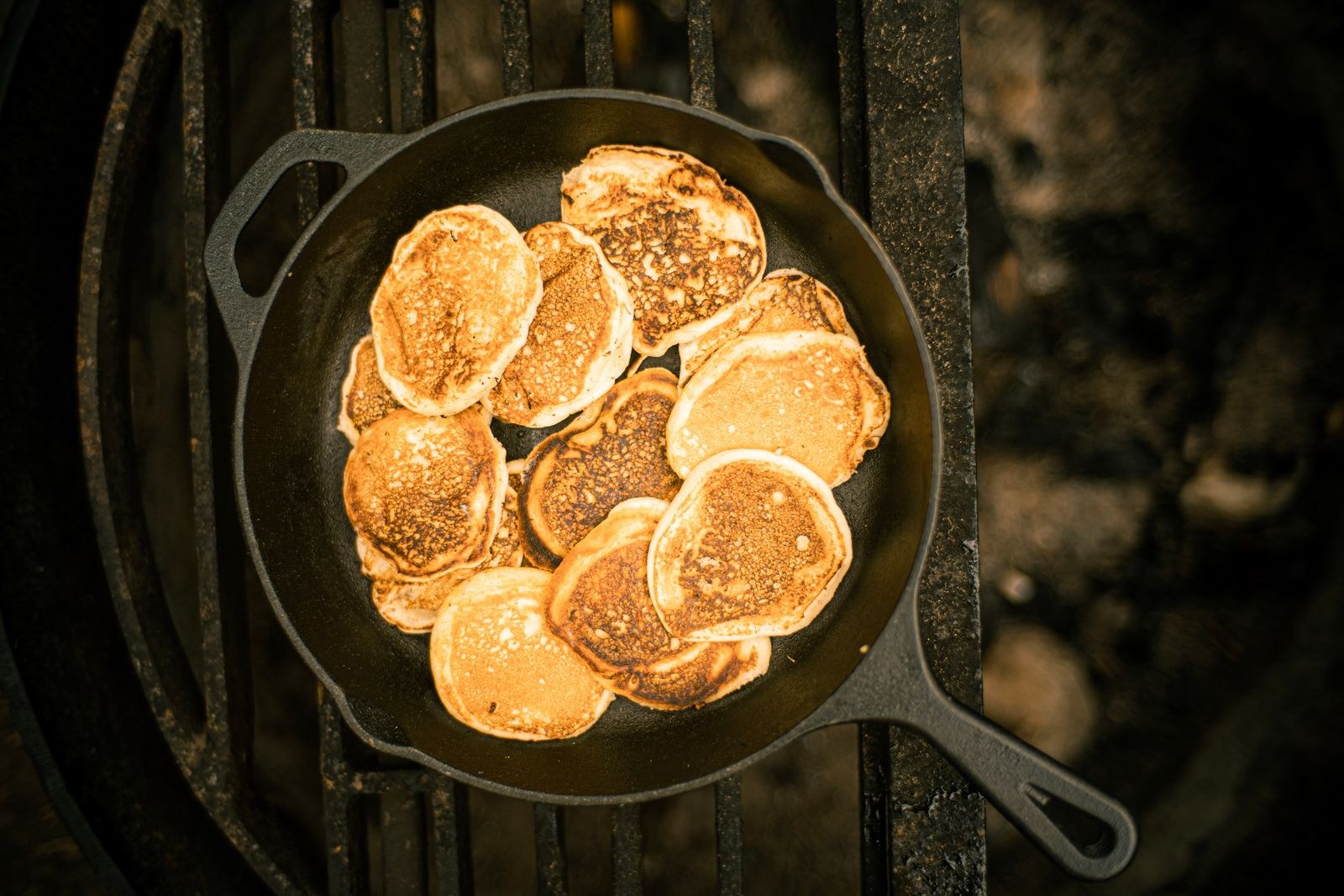
First identify whether the pan is seasoned cast iron or enameled cast iron. Their care routines are not interchangeable. This guide concerns ordinary seasoned cast iron; follow the manufacturer's separate instructions for an enameled surface.
Let the pan become safe to handle, then remove food and wash according to its instructions. Lodge, for example, permits a small amount of dish soap for its seasoned cast iron. The idea that any contact with soap automatically ruins seasoning is not a useful universal rule.
Use a suitable brush, scraper or sponge rather than damaging the surface with an improvised tool. Avoid a long soak or dishwasher treatment when the manufacturer prohibits it. If residue is stubborn, use the maker's recommended method rather than leaving the pan submerged overnight.
Dry promptly
Water left on bare or seasoned iron can contribute to rust. Dry the pan thoroughly using the approved method, paying attention to edges and handle areas. If gentle heat is part of the manufacturer's drying advice, use it carefully and do not leave the pan unattended.
Apply a very thin coating of appropriate oil when recommended. Wipe away excess so the surface is not left sticky. More oil is not necessarily more protection; a thick layer can become unpleasant during storage.
Store the pan in a dry place with reasonable airflow. If stacking it with other cookware, use a suitable dry separator and keep the arrangement stable. A heavy cast-iron pan should be easy to lift without reaching awkwardly over other items.
Respond to changes in the surface
Minor rust or worn seasoning may have a restoration method provided by the manufacturer. Follow that guidance and distinguish surface maintenance from cracks or structural damage. Do not keep using a cracked pan because you believe seasoning will cover the problem.
Cooking habits affect maintenance. Follow the maker's advice about acidic foods, storage of food in the pan and heat changes. A seasoned surface develops through appropriate use and care, but it does not remove the need to clean after dinner.
You do not need an elaborate ritual every evening. A repeatable routine of suitable washing, prompt drying and a thin protective oil layer where recommended is usually more manageable than postponing cleaning because the pan seems too complicated to care for.