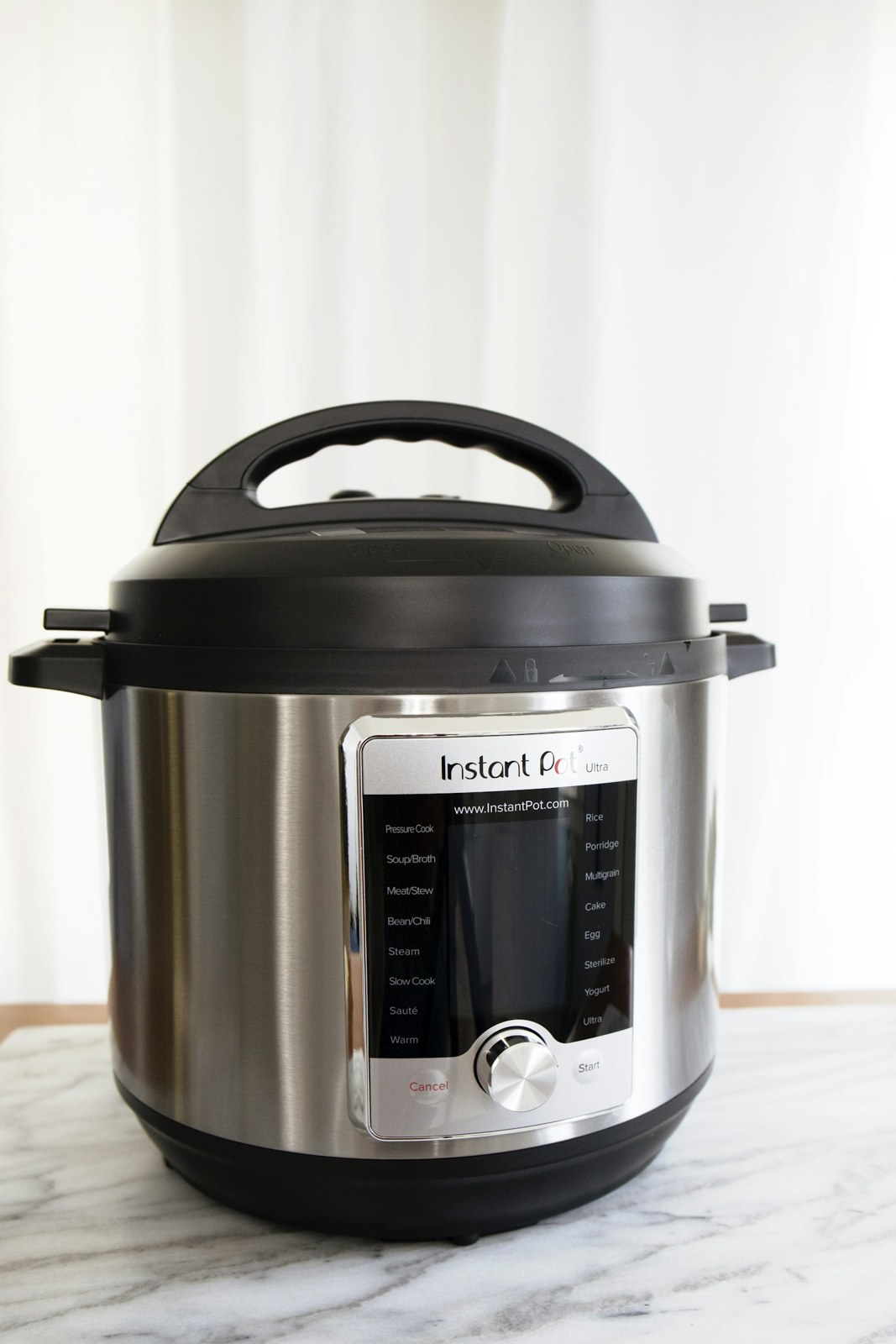
An electric pressure cooker can be useful for recipes designed for its cooking method. The headline cooking time, however, is only part of the process. Heating, reaching pressure and releasing it can all add time before the food is ready to serve. Compare the whole meal routine rather than a countdown in isolation.
Start with a few recipes you genuinely want to make and check that they suit the model under consideration. A large collection of named modes is less useful than clear instructions for your regular meals. If the controls feel confusing before purchase, read the manual rather than assuming the appliance will explain itself later.
Usable capacity is below the rim
Pressure cooking has specific fill limits. Instant Pot's guidance, for example, uses a maximum two-thirds line and a lower half-full limit for expanding foods such as rice and dried vegetables. Those are examples of model instructions, not permission to ignore the markings and manual on another cooker.
Minimum liquid also depends on the appliance and method. Do not infer it from the pot's total volume or from an unrelated recipe. A thick sauce and a freely flowing liquid are not necessarily interchangeable for pressure-cooking requirements.
Choose a capacity that handles your normal recipe within the permitted limits. A larger pot may be useful for batch cooking while taking more space and creating more leftovers to cool safely. A small batch must still meet the model's minimum requirements.
Learn the lid and release procedure
Natural and manual release are different processes, and the appropriate choice depends on the food and instructions. Keep clear of steam outlets and follow the specific release method. Never force a lid or interfere with safety mechanisms because you want to shorten the wait.
Seals, valves and other lid parts need inspection and cleaning as directed. Check how the components are removed, which pieces are replaceable and how to confirm they are fitted correctly. A replacement ring should match the exact model rather than merely looking close.
Make room for maintenance
A cooker that performs several functions can still need a dedicated storage arrangement for its lid and accessories. The operating location needs suitable ventilation, clearances and electrical connection. Keep the manual and model information where you can retrieve them.
Buy the appliance when its supported methods fit repeated meals and you are comfortable following the complete process. Begin with a reliable model-specific recipe before improvising quantities or ingredients. Familiarity with the controls and limits is more useful than trying every preset in the first week.