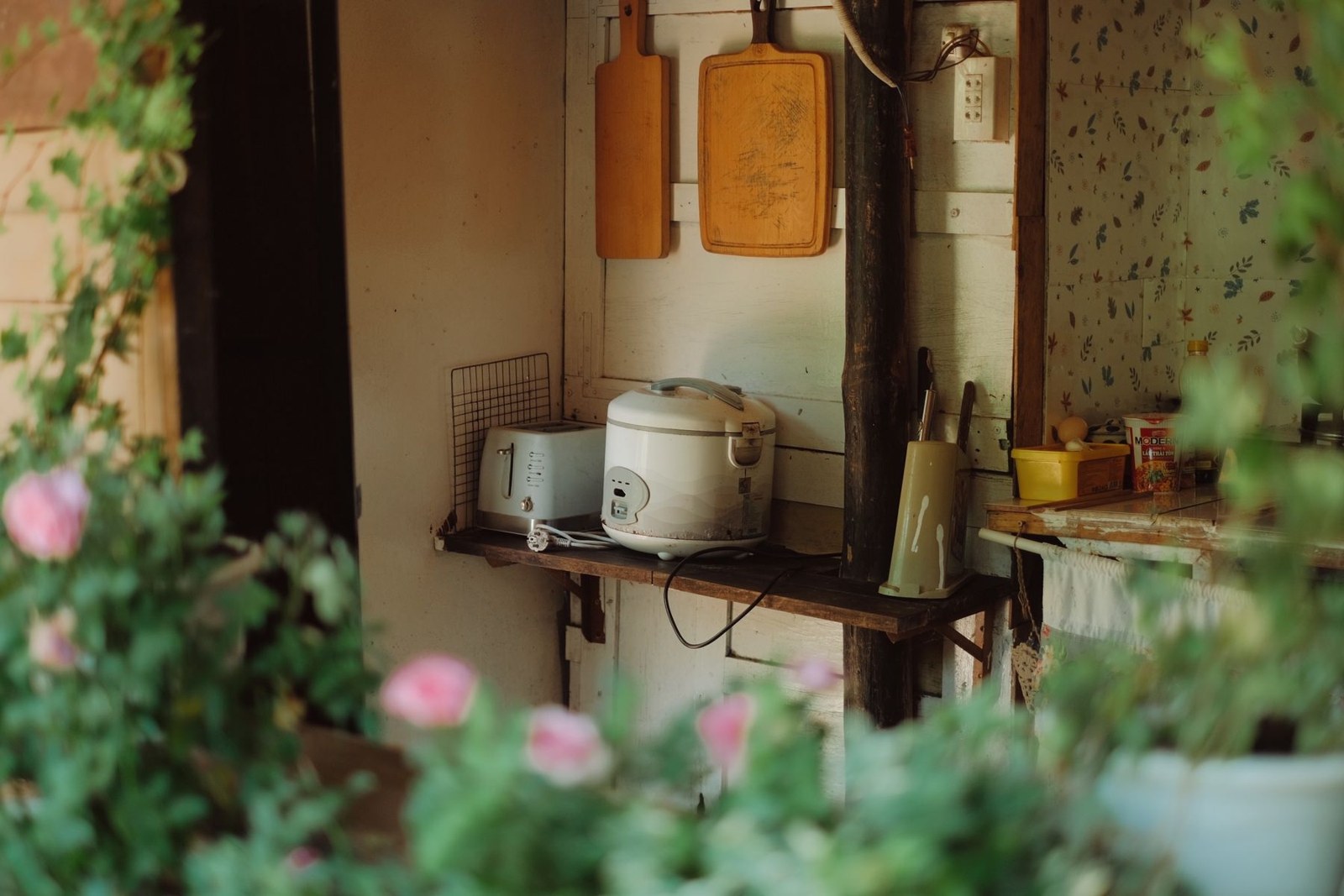
Rice-cooker capacity can be confusing because the word cup may refer to a supplied measuring cup, and the listing may describe uncooked or cooked rice. Those are not interchangeable quantities. Before comparing models, establish exactly what the manufacturer means.
For a small household, the minimum recommended batch deserves as much attention as the maximum. A cooker built for a larger quantity may not be the most convenient choice when you usually need a little rice. Check the manual for the rice type and menu you expect to use rather than assuming a large cooker works equally well at every level.
Match the markings to the supplied measure
Some rice cookers use a cup of about 180 milliliters, which differs from a US measuring cup. The markings inside the pot may be designed around that supplied measure and a particular rice setting. Use the manufacturer's system consistently rather than combining an arbitrary cup with the pot's water lines.
Different rice types and menu settings may have different instructions. A line marked for one kind of rice is not a universal ratio for every grain. Keep the measuring cup with the appliance or record the replacement part information so it does not become an anonymous scoop in a shared drawer.
Look at how clearly the pot markings can be read in your kitchen lighting. The inner pot should be straightforward to lift and clean, with a coating or surface you can maintain using compatible utensils. Check the cost and availability of a replacement pot before purchase.
A measurement note worth keeping
If a cooker uses its own measuring cup, keep that cup with the appliance or label a suitable storage spot for it. The fill lines inside the bowl are not necessarily a general liquid measure; they may refer to a particular rice type, menu and number of supplied cups.
For the first batch, follow the exact rice and cooker instructions and record what you used. Note the grain, measured quantity, menu and final texture. If an adjustment is appropriate, change one detail on the next attempt. Changing rice type, water level and program together makes it harder to understand the result.
This also helps when a roommate uses the cooker. A short note explaining the correct cup and menu can prevent someone from applying an ordinary saucepan ratio to a system designed around different measurements.
Think about serving and keeping warm
A keep-warm function has specific operating instructions and limits. It is not permission to leave food indefinitely or to treat every cooked ingredient the same way. Follow the model's guidance and current food-safety advice for holding and storing rice.
If you plan to save a portion, divide and refrigerate it promptly using suitable shallow containers. Do not leave cooked rice sitting at room temperature while waiting for the appliance to become convenient to clean. Storage should be part of the meal plan, not an afterthought.
Finally, measure the space needed to open the lid and let steam escape as directed. A cooker may fit beneath a cabinet when closed yet need a different position while operating. A small model with clear controls, a useful minimum batch and manageable cleaning can be more valuable than a larger one with modes you never use.